Creative Progression: How Lucky Jet Game Graphics Enthrall
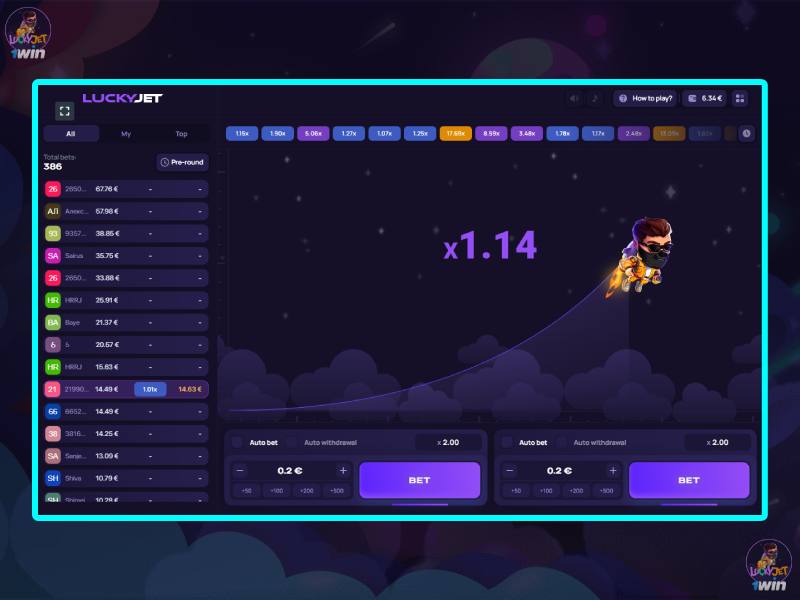
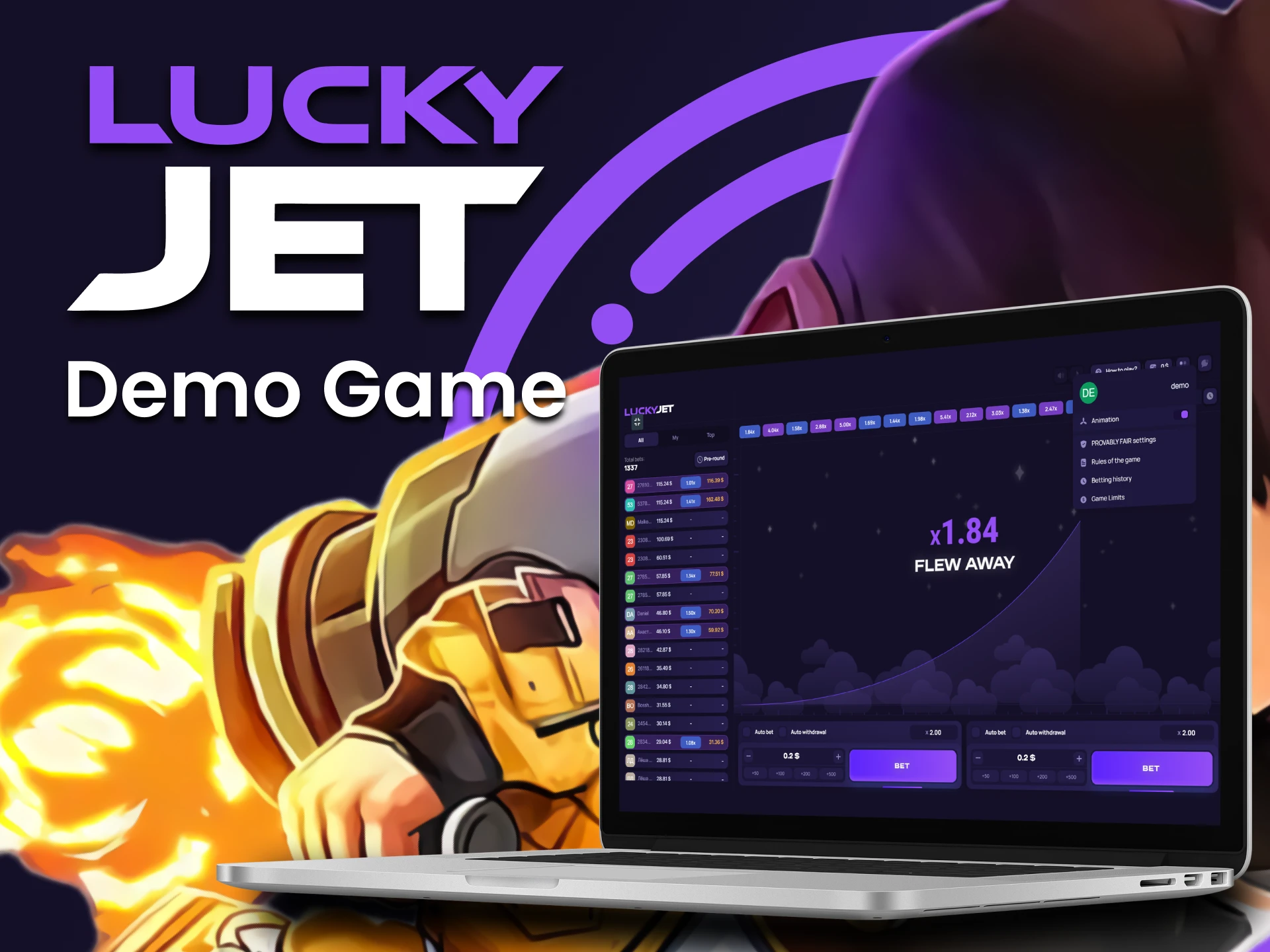
I enjoy games that understand the importance of visuals https://luckyjetcasino.uk/. A great game isn’t merely attractive; it builds a world that grabs you the second it loads. That’s the feeling I undergo with Lucky Jet. The game’s art is a smart mix of kinetic action and eye-catching style, creating something that’s both thrilling to play and beautiful to view. This ongoing improvement in presentation is a significant part of its appeal, creating a setting that’s as fun to observe as it is to play.
Hero Design: Greater Than Just a Pilot
The little aviator is the symbol of the game. It originated as a simple game piece, but has developed real character. We’ve observed special costumes for holiday events, which adds a fun layer of collectibility. The animation work is higher quality, giving the pilot small idle movements and reaction twitches that suggest a personality. These features create a connection between the player and the pixelated figure on the screen.
This focus on the character does more than just look good. A strong protagonist gives you someone to support. When the pilot takes off, that feeling of risk and reward has a face. Every part of the design, from the focused look to the shape of the jetpack, sells the ideas of speed and cheerful adventure. Changing from a simple game token to a memorable mascot is a big part of what ensures the visuals stick with you.
The Stream of Advancement: Key Visual Upgrades
The game’s visuals have become more refined over the years. The updates I’ve seen mark a real step up in polish and atmosphere. The jet character’s animations are more detailed and fluid now, providing its upward movement with true heft and drive. The multiplier path was also improved, incorporating particle effects and sleeker graphics that make the climbing figures appear robust and dynamic. These improvements draw you more into the gameplay’s pace.
The scenery has been completely reworked. What used to be basic still pictures now resemble real locations. You’ll notice small touches now, like clouds moving slowly, levels changing as you scroll, and illumination varying to imply distinct times of day. This surrounding detail does not hinder the game. Rather, it envelops the main gameplay in a setting that feels more like a place than an image. It reveals a group devoted to perfecting every element on the screen.
The Future of Flight: Anticipating Visual Trends
Examining the path so far, the visual future for Lucky Jet is bright. I expect to see more ways for players to customize their gameplay, maybe by personalizing jet trails or pilot outfits. Introducing more advanced lighting, like dynamic shadows or soft rain effects, could produce amazing new layers of depth. We might even see bits of story integrated, with short animated clips or backgrounds that shift as you advance.
The room for subtle 3D effects is huge, providing a stronger sensation of depth and velocity. As screen technology improves, the art can evolve for sharper resolutions and smoother performance. The trick will be mixing these new ideas with the game’s core strength: absolute clarity. The developers have demonstrated they know this balance, which suggests a future where the game maintains its spot as a visual standout.
Following Lucky Jet’s art evolve has been a treat. It shows how thoughtful design, rooted in usability and boosted by creative energy, can convert a clever game mechanic into a memorable event. From its clean, simple start to its lively current state, every dot on the screen aims to build excitement and craft a space players want to return to. This progression makes one thing clear: great visuals aren’t just wallpaper. They are a essential part of what makes a game engaging and fun.
Color Study and Aerial Layering
Think about the game’s palette. Nothing here is coincidental. The creators use color science with a subtle hand. The main interface relies on blueish and purple shades, colors we link with stability and tranquility. This builds a soothing visual backdrop. That peaceful background causes the bright oranges and yellows of the aircraft and its multiplier streak leap off the screen, drawing your eye right to the heart of the scene.
Building a Realistic Environment
This clever color approach also creates a spatial sense. By painting backgrounds in cool and soft tones and reserving warm and vivid colors for interactive elements, the game constructs a convincing feeling of depth. This layered approach isn’t merely decorative. It helps your mind immediately separate the gameplay from the background, allowing you interpret the action quicker and enhance the impression of flying through the air.
The Launchpad: From Functional to Fantastic
Any visual adventure starts somewhere, and Lucky Jet’s beginnings focus on smart, practical choices. The initial version of the game made clarity a priority. The creators recognized that a game about a character shooting upward with live multipliers required a crystal-clear screen. They chose neat lines, a distinctive color scheme to make the pilot pop, and big, legible numbers. This setup guaranteed the main action was never unclear, showing that appealing aesthetics are rooted in perfect readability.
Prioritizing the Player’s Eye
Those early designs were designed to guide your eyes. The figure had enough personality to be engaging, but not excessive detail that it distracted the eye. Backdrops used soft hues and uncomplicated motifs so the on-screen activity always commanded attention. This deliberate stacking of visuals meant players to decide rapidly without looking over the full interface. It was a design that matched the game’s tempo and the player’s desire for a clear display.

Animation: The Essence of the Gameplay
Consider the visuals as the core. The motion is the essence. Here Lucky Jet’s look comes alive. The seamless, increasing speed of the pilot is vital; a glitch would destroy the illusion. However the true ingenuity is in the smaller motions. The shimmering multiplier, the subtle screen shake when you cash out, the tiny blast after a nice run. These details are the visual responses that create the game feel reactive and lively.
All moving components has two jobs: to appeal visually and to provide feedback. The growing trail behind the hero is a live graph of your potential payout. Digits that grow and shine help you grasp the risks without squinting at text. This union of aesthetics and purpose in animation transforms a simple game feature into a compelling visual show.
Creating a Cohesive Visual Universe
Gorgeous components go to waste without harmony, and here is where the game’s art direction shines. From the lobby to the main interface, a cohesive look holds everything together. The fonts are modern, smooth, and approachable, echoing the game’s friendly but thrilling mood. All the icons possess the same smooth, wind-cutting feel, echoing the curves of the jet pack. This coherence creates a powerful, credible brand that gamers identify.
This unified world shows up in special events as well. For limited-time tournaments, the interface undergoes a considerate update. These are well-considered revamps with new color palettes and pilot gear that always preserve the fundamental structure. It stays engaging for veterans and demonstrates a commitment to world-building, transforming a single game into a visual platform that evolves.